Research, monitoring and advocacy on the drivers, spread and impact of illegal small-scale mining on land, water and livelihoods.
Illegal small-scale mining — galamsey — has cut through farmland, poisoned rivers and pulled a generation of young people away from cocoa, fishing and other stable livelihoods. We document how it spreads, who it displaces, and what it costs communities in the Western, Western North, Central and Ashanti regions — turning ground-level evidence into findings that regulators, chiefs and communities can actually act on.


Enforcement against illegal mining in Ghana has, for years, focused almost entirely on the people found on site — machine operators, diggers, washers and labourers, many of them young people with few other livelihood options. Landowners who lease their land to illegal mining operations are rarely investigated, and almost never prosecuted.
We are advocating for a deliberate shift in that approach: enforcement and prosecution that targets landowners — customary and private — who knowingly lease land for illegal mining. No galamsey operation can set up without land. Arresting the labour on a site doesn't stop the mining; it simply pauses one crew until the next is hired for the same pit, on the same land, under the same landowner. Hold the landowner accountable, and the operation loses the one thing it cannot do without.
The case for targeting land access, not just labour.
Every illegal mining site sits on land someone controls and knowingly leased out. Cutting off access at that point stops an operation before it starts — rather than after the damage is already done.
Workers are the most visible and the most replaceable part of an illegal mining operation. Removing them from one site rarely stops the site itself — new labour is hired, and the pit keeps running.

Landowners are frequently the ones who profit most from illegal leasing arrangements, often earning far more than legal farming or forestry use would bring — yet today they carry the least legal risk of anyone involved.
Photos from our research and filming-support work at small-scale mining sites in the Wassa Amenfi East District, and along the Whin River.
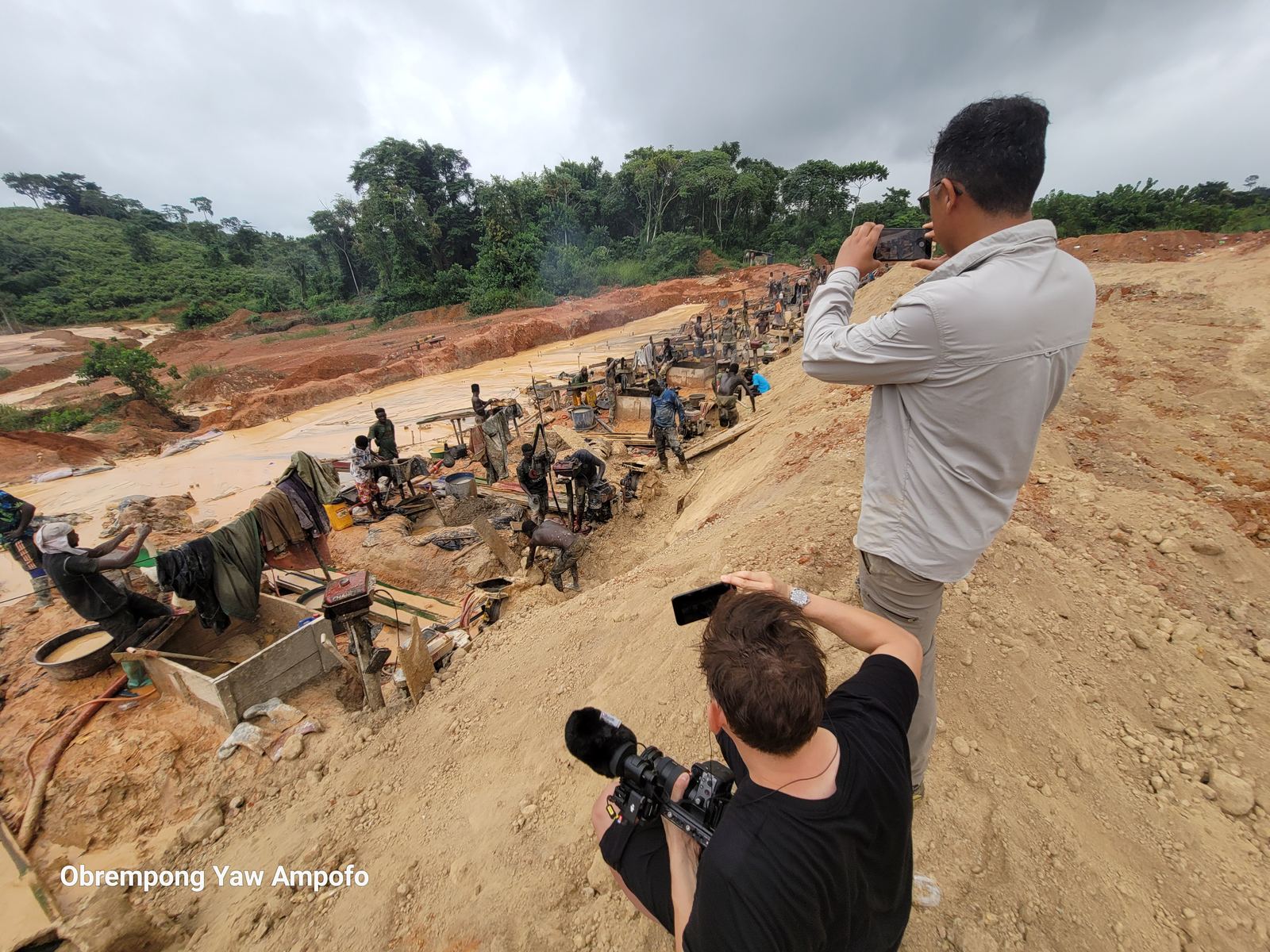
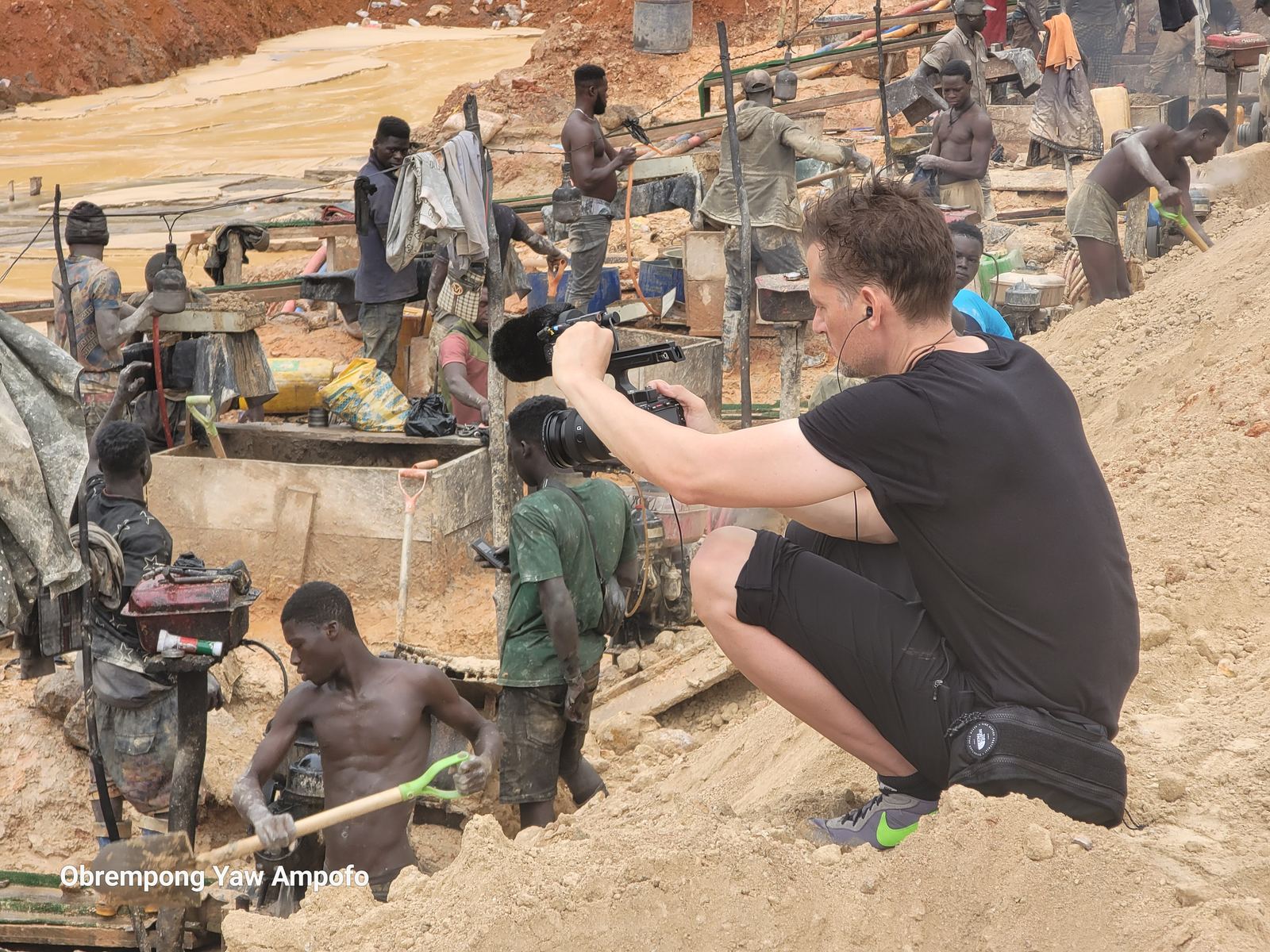
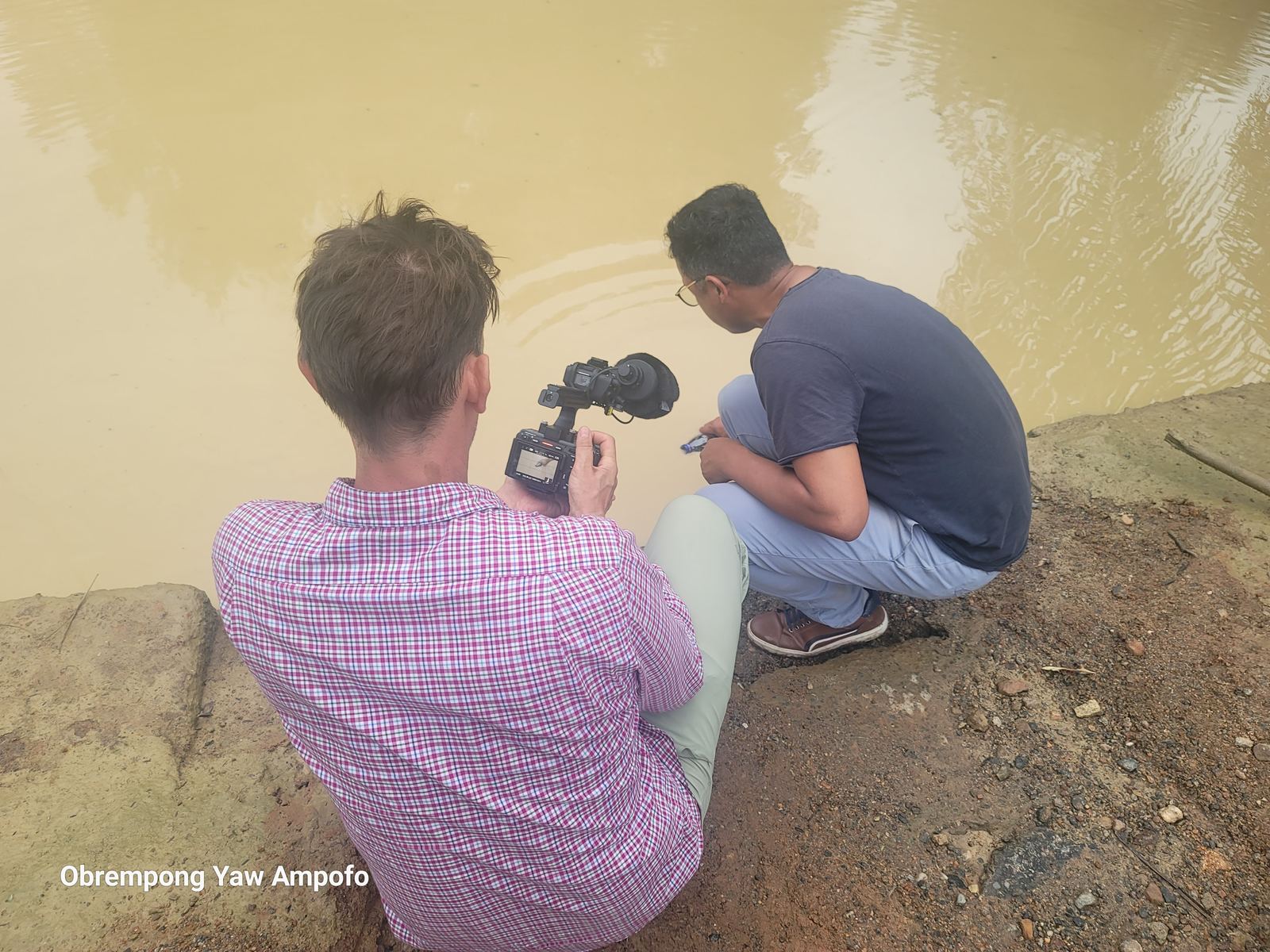
Photos: Obrempong Yaw Ampofo
Our research and advocacy work on illegal mining, in practice.

Ground-truthed evidence on where illegal mining is spreading, and its impact on farmland, rivers and public health.
Advancing our case — including the shift from labour arrests to landowner accountability — with regulators, chiefs and policymakers.
Working directly with mining communities, land-owning families and chiefs on the ground realities of illegal mining.
Environmental and livelihood impact assessments across affected mining, cocoa and river communities.
Whether you're a regulator, a researcher or a partner organisation, we'd like to talk about how our findings and advocacy can support your work.